
When you sit down a t a European or French wheel in a Hobart club or on a mobile browser, the choice is less about which game wins more and more about which set of rules matches how you actually want to play. Both wheels share the same single zero and the same 37 pockets, so the underlying hit frequency stays close; what changes is how the house edge behaves on even-money bets and how the layout guides your decisions. This comparison looks at the rules, the table design, the mobile experience, and the practical maths so you can pick the version that fits your session.
Rule Differences That Actually Move the Edge
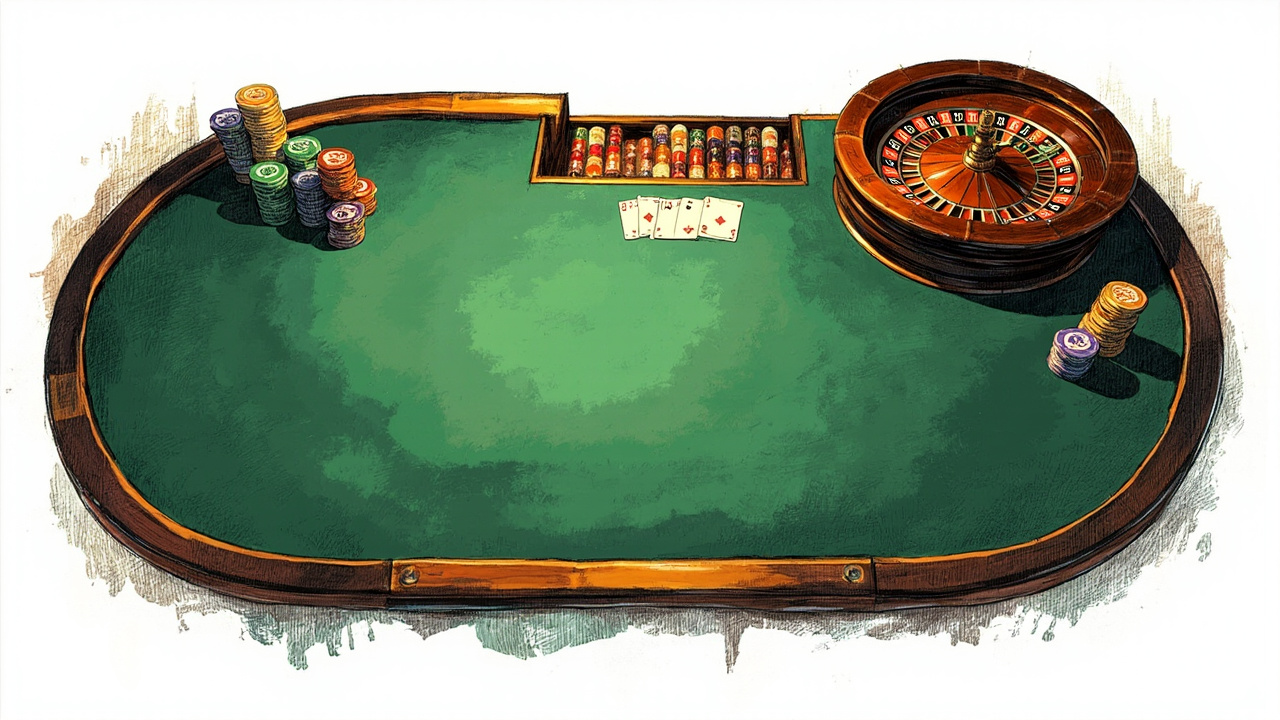
The main distinction between these two wheels sits in the special even-money rules that apply when the ball lands in zero. French roulette typically offers la partage or en prison on outside bets, which returns half your stake or holds the bet for the next spin instead of losing it outright. That mechanic drops the house edge on those even-money wagers to around 1.35 percent for the duration of that bet, while European roulette usually takes the full stake on a zero result, holding the edge near 2.7 percent across the board. The numbers on the wheel are identical, so the difference is not about which pockets exist but about how the table treats a losing zero outcome.
From a production standpoint, the rule set changes how a game feels over a long session because the variance on outside bets is meaningfully different. I have built slot paytables where a small modifier on a rare outcome shifts the perceived fairness for a player, and the same principle applies here: a rule that softens one specific loss changes how often a player feels the game is working against them. If you are the sort of player who lays chips on red or black for extended periods, the French rule set reduces the frequency of full losses on zero and keeps your bankroll moving for longer. If you prefer straight-up numbers or split bets, the rule difference barely registers because those wagers do not qualify for la partage or en prison in either version.
For an ordinary Australian reader, the practical takeaway is simple: if your Saturday arvo session is mostly even-money outside bets, the French table gives you a slightly gentler ride on the one outcome that would otherwise wipe a chip. If you are betting across a spread of numbers and treating zero as just another losing pocket, the European layout is functionally the same experience with a cleaner, more familiar table layout. The edge difference is real but narrow, so it matters most when your betting pattern concentrates on the outside bets that the special rules actually cover.
Table Layout, Chip Handling, and How the Screen Fits Your Hands
The physical and graphical layout differs enough to affect how you play on a phone or at a busy felt table. French roulette usually presents a more compact betting grid with the outside bets arranged to match the French terminology, while European roulette tends to use a broader, more familiar layout with English-language callouts and a slightly larger zero section. On a mobile screen, that layout choice changes how much of the table you can see without scrolling and how easily you can tap a specific chip value without misselecting a neighbouring bet.
In social casino and real-money production, we often test touch targets and grid density the same way we test button spacing on a slot lobby, because a cramped layout creates misclicks that feel like the game is fighting the player. A French-style grid can feel tighter on a small phone screen, but it also keeps the special rule indicators close to the outside bets where they matter, which helps the player understand when la partage or en prison is in play. A European grid often gives more room around the zero and the dozens, which can suit players who spread chips across multiple sectors and want a clearer visual map of the table.
If you are playing in a Hobart venue on a busy night, the layout also affects how quickly you can place and adjust bets before the dealer calls no more bets. A cleaner European layout can be easier to read under pressure, while a French table may require a little more familiarity with the section labels if you are not used to the terminology. Either way, the screen or felt needs to let you confirm your bet before the spin, because a layout that forces you to guess at chip placement is a usability problem rather than a preference.
| Aspect | European Roulette | French Roulette |
|---|---|---|
| Zero | Single zero | Single zero |
| Even-money zero rule | Usually full loss on in the company network zero | La partage or en prison on eligible outside bets |
| House edge on outside bets | Around 2.7 percent | Around 1.35 percent when the special rule applies |
| Typical layout feel | Broader grid, familiar English callouts | Compact grid, French section labels |
| Mobile fit | Often more room around zero and dozens | Tighter grid, rule cues closer to outside bets |
Mobile Usability, Spin Pace, and How the Session Feels on a Phone
On a mobile browser or app, the roulette experience is shaped by load time, table responsiveness, and how the betting controls behave during a fast session. A well-built roulette table should keep the wheel, the layout, and the chip selector usable without forcing you to pinch and zoom, and it should keep the spin button accessible without obscuring the result. French and European versions from the same provider often share the same underlying client, so the real difference is how the table skin and rule prompts are presented rather than a separate performance profile.
From a production angle, I look at whether the rule cues appear at the right moment and whether the bet confirmation step is clear on a small screen. If a French table shows a la partage or en prison indicator only after the zero lands, the player may miss the reason for the partial return unless the screen also explains the rule before the spin. A European table does not need that prompt for outside bets, but it still benefits from a clean result display and a fast return to the betting grid so the session does not feel sluggish between spins.Voisins du zero roulette and the
The pace of play matters more than the label on the wheel for many players. A mobile table that keeps the grid responsive and the spin cycle short will feel smoother regardless of whether it is European or French, while a cluttered table with slow animations can make even a favourable rule set frustrating to use. If you are playing on a phone between other tasks, the version that keeps the layout readable and the controls immediate is usually the one that fits your session better, because the maths advantage only helps if the interface lets you actually play the bets that qualify for it.
How the Choice Fits Different Betting Styles and Bankroll Plans
The better choice depends on which bets you actually make and how you want your bankroll to behave over a session. If your plan is to keep outside bets working for a longer stretch and accept smaller, more frequent returns, the French rule set gives you a slightly softer outcome on the one losing pocket that matters most to that style. If your plan is to cover numbers, splits, and streets and treat the zero as a normal loss, the European table is a clean fit with no meaningful rule disadvantage on those wagers.
That same focus on steady engagement translates well when you shift to video slots, where picking a game with consistent return mechanics can help maintain your balance. For players seeking that specific blend of features, you can play wolf gold slot at Wolf Gold AU to experience a title designed for extended sessions. You can review the full details at https://wolf-gold-au.net/.
This is the same kind of decision I make when tuning a slot feature: the player’s expected behaviour determines which design choice actually helps. A rule that helps only a specific bet type is valuable to the player who uses that bet type, and irrelevant to the player who does not. In roulette terms, that means the French edge reduction is useful if your chips live on red, black, even, odd, or the outside dozens, and far less important if your action sits on individual numbers.
You can also think about it in terms of ranges, the set of hands or outcomes a player might hold over a session. A player whose range of bets stays mostly on the outside will feel the French rule more often, while a player whose range includes a wider spread of number bets will experience both wheels in a similar way. Autumn racing brings Sydney’s rich championship meetings, and in the same way that form and conditions guide which horse suits a race, your betting pattern guides which wheel suits your session. If you want a table that softens the one zero outcome that hits your most common bet, French is the more tailored fit; if you want the familiar layout and do not rely on the special even-money rule, European is a solid choice with no real downside for your style.
If you want to compare how a different table game handles its own special rules, this piece on voisins du zero roulette and the ViuViu casino app walks through a focused bet pattern that works quite differently from the outside-bet approach on these wheels. For players who prefer a quick spin on a different theme altogether, you can also play wolf gold slot and see how a separate game structure feels alongside the roulette options.